Fibroid & Pelvic Mass Management
Fibroids and other pelvic masses are common but can cause significant pain, bleeding, or pressure symptoms if left untreated. Dr. Rabeya Sultana provides accurate diagnosis and a full range of treatment options, from monitoring to minimally invasive surgery.
Symptoms
- Heavy or prolonged menstrual bleeding
- Pelvic pain, pressure, or a feeling of fullness
- Frequent urination or difficulty emptying the bladder fully
- A noticeable lump or swelling in the lower abdomen
- Pain during intercourse
Diagnosis
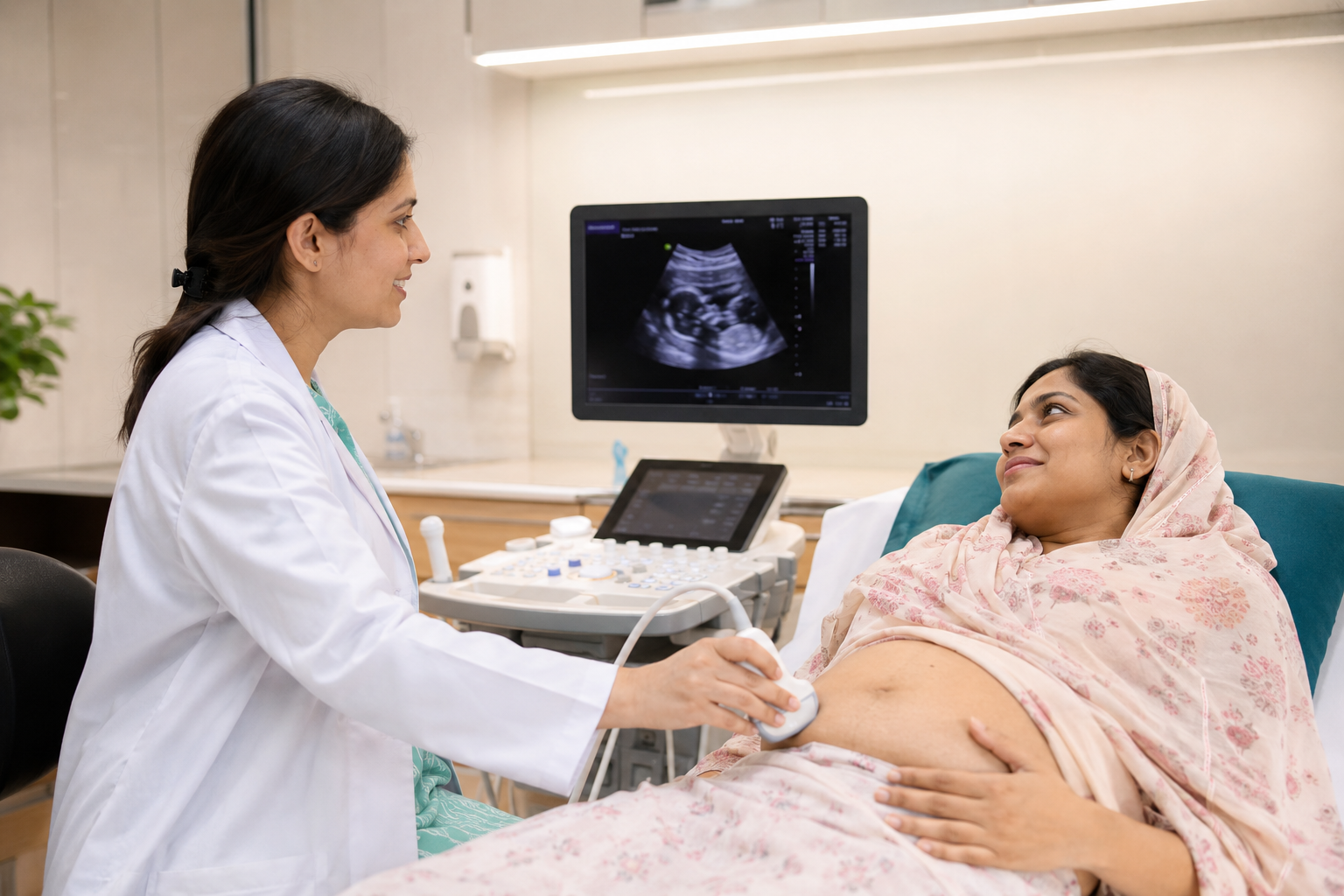
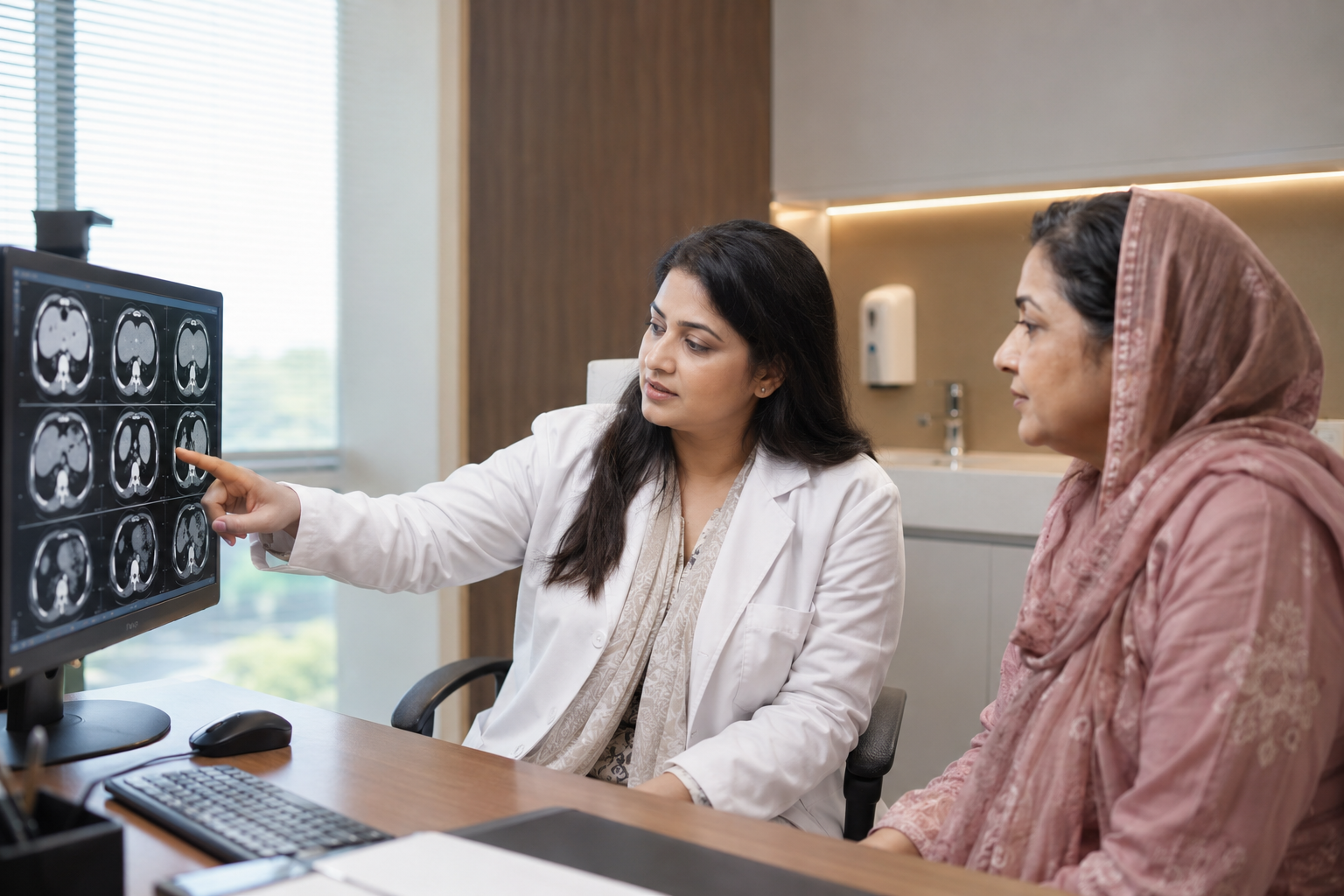
Evaluation includes pelvic examination and ultrasound imaging to determine the size, number, and location of fibroids or masses, with MRI or tumour marker testing used where further clarity is needed.
Treatment Options
- Regular monitoring for small, symptom-free fibroids
- Medical management to control bleeding and symptoms
- Laparoscopic or open myomectomy to remove fibroids while preserving the uterus
- Surgical removal of pelvic masses with further evaluation if malignancy is suspected
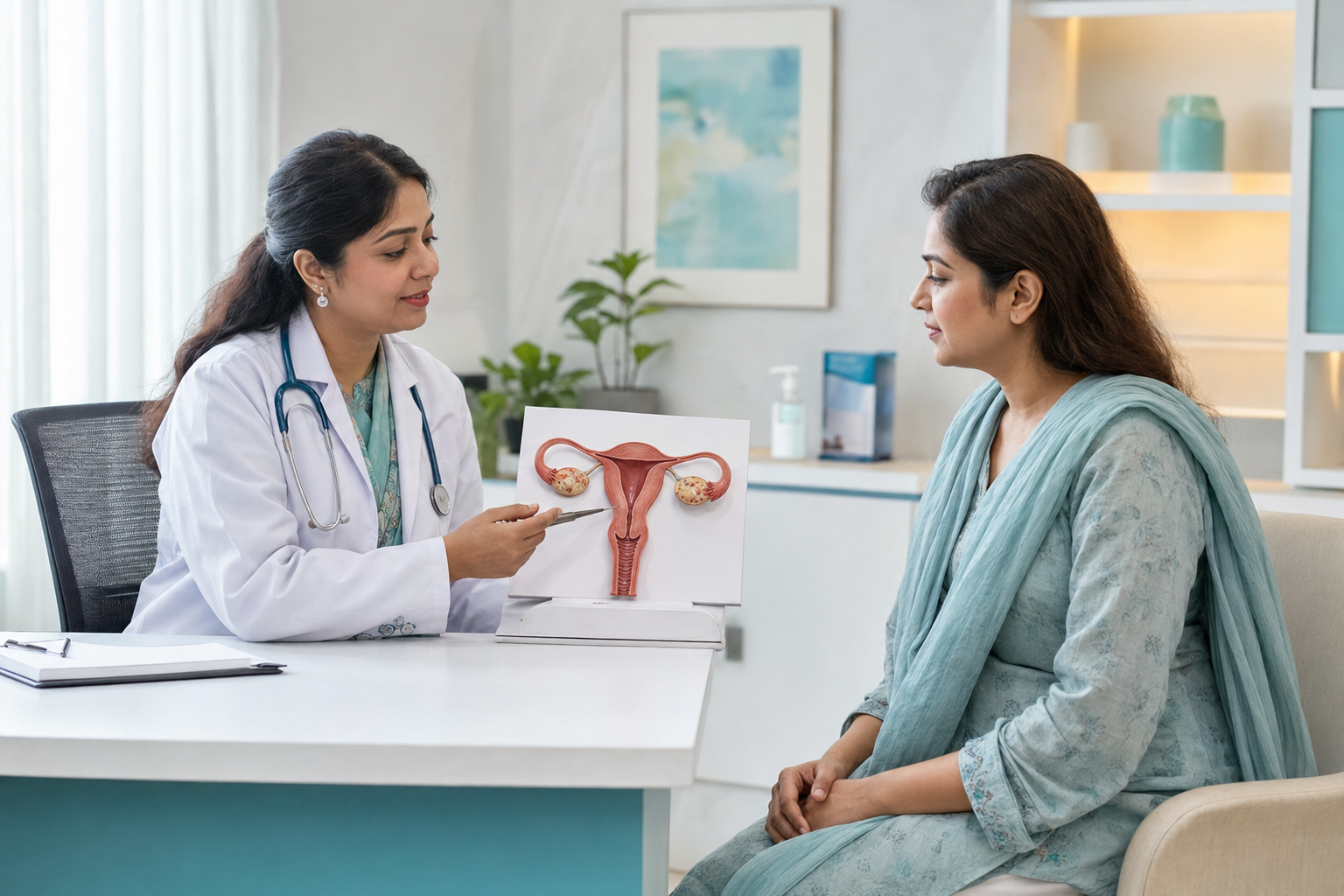
Not every fibroid or pelvic mass needs surgery — treatment is tailored to your symptoms, size, and fertility goals. Book a consultation for an individualised assessment.
Who Should Consult
- Heavy periods that are affecting daily life
- A known fibroid or pelvic mass on previous ultrasound
- Persistent pelvic pain or pressure symptoms
- Fibroids affecting fertility or pregnancy planning
Frequently Asked Questions
Do all fibroids need to be removed?
No, small fibroids without symptoms are often simply monitored; treatment is recommended based on symptoms and growth.
Can I still get pregnant after fibroid surgery?
Myomectomy is generally fertility-preserving and is often specifically chosen for women planning future pregnancy.
How do I know if a pelvic mass is cancerous?
Ultrasound features, tumour markers, and sometimes MRI help assess risk; most pelvic masses turn out to be benign, but further evaluation is done when needed.